


Western Cape Positions Astro Tourism as Emerging Guiding Growth Frontier
Press Release supplied by Field Guides Association of South Africa (FGASA)
The Western Cape government has marked a significant milestone in the development of astro tourism with the graduation of a new cohort of specialised night sky guides, highlighting the province’s growing focus on niche, experience-based tourism.
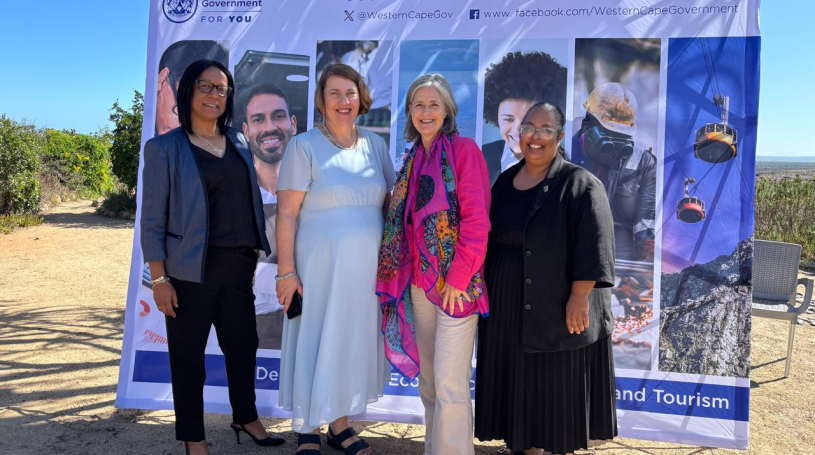
The graduation ceremony, held at the !Khwa ttu San Culture and Education Centre, celebrated guides who completed the Astro Night Sky Guiding Programme. This is a collaborative initiative between the Western Cape Department of Economic Development and tourism (DEDAT) and the Field Guides Association of South Africa (FGASA). Designed primarily for qualified nature and culture guides, the programme is aligned with FGASA’s continued professional development programmes and professional standards, equipping guides with the skills to interpret the night sky through a combination of science, cultural knowledge, and storytelling.
Speaking at the event, Western Cape provincial minister of agriculture, economic development and tourism, Dr Ivan Meyer, emphasised the importance of investing in specialised skills to support the visitor economy. “We can have the darkest skies in the world, but these skilled and certified guides are helping to shine a light on this bold frontier of tourism,” Meyer said. “These graduates are the bridge between complex science, culture and compelling storytelling. They turn the night sky into a lifelong memory for visitors.”
Astro tourism is increasingly recognised as a high-potential niche within the global tourism market, driven by growing demand for authentic, immersive experiences that connect travellers to nature, science, culture, and conservation. Michelle du Plessis, managing director of FGASA, said the programme reflects FGASA’s ongoing commitment to elevating standards within the guiding profession and creating meaningful specialisation pathways for guides.
“Professional guiding today requires far more than basic field knowledge. It requires interpretation skills, storytelling ability, scientific understanding, and the confidence to deliver world-class guest experiences,” said du Plessis. She added that specialised training not only strengthens the credibility of the profession, but also allows guides to diversify their skills within an increasingly competitive tourism market.
“Astro tourism has the potential to become one of the most exciting niche growth sectors within South African tourism over the next decade. Night sky interpretation opens an entirely new dimension of storytelling, cultural understanding and guest engagement.”
Du Plessis further noted that South Africa is uniquely positioned to become a global leader within the astro tourism sector due to its internationally recognised astronomical infrastructure, favourable weather conditions, exceptional dark sky regions, and strong nature-based tourism industry. “What has been needed is the development of specialised guiding capacity to support and interpret these experiences professionally. This initiative demonstrates that South Africa is investing not only in tourism and conservation, but also in the professional development of the people delivering these experiences.”
Guides who participated in the programme also highlighted the personal and professional impact of the training. “The programme allowed me to measure my knowledge against industry standards and connect with others who share the same passion,” said astro guide Jan Bester.
For many guides, astro tourism represents both a career opportunity and a chance to create meaningful guest experiences that extend beyond traditional safari activities. The programme is also expected to contribute to rural tourism development, particularly in regions where protected dark skies can become valuable tourism assets. By creating specialised tourism offerings such as guided night sky experiences, cultural storytelling evenings, observatory visits, and educational experiences, astro tourism has the potential to support job creation and economic growth in remote areas.
Mrs Hantie Nelson, deputy director: Tourism Regulation at the WC Provincial Registrar of Tourist Guides said that the initiative is already contributing to local economic development by expanding income opportunities for guides and creating access to niche tourism markets, particularly for those in smaller communities.
As tourism trends continue shifting toward experience-led travel, initiatives such as the Astro Night Sky Guiding Programme are expected to play an increasingly important role in diversifying South Africa’s tourism offering while strengthening the country’s position within the global astro tourism market.